

Introduction
Keeping your home safe is one of the most important responsibilities for any family. A secure home not only protects your loved ones from accidents but also provides peace of mind. Whether you live in a small apartment or a large house, following the right home safety tips for families can make a big difference.
Every year, many accidents happen inside homes due to simple mistakes or lack of awareness. From kitchen fires to slips and falls, these incidents can often be prevented with proper planning and care. That is why understanding and applying effective home safety tips for families is essential for everyone.
In addition, safety is not just about installing locks or alarms. It includes teaching children safe habits, organizing your space properly, and being prepared for emergencies. When all family members work together, maintaining a safe home becomes easier and more effective.
What is Home Safety Tips for Families?
Home safety tips for families refer to a set of practical steps and precautions that help reduce risks and prevent accidents within the home. These tips cover different areas such as fire safety, childproofing, electrical safety, and emergency preparedness.
The goal is to identify potential hazards and take action before problems occur. For example, installing smoke detectors, keeping sharp objects out of reach, and maintaining proper lighting are all part of basic home safety practices.
Moreover, home safety is not a one-time task. It is an ongoing process that requires regular checks and updates. As your family grows and changes, your safety measures should also evolve.
In simple terms, home safety tips for families are about creating a living space where everyone feels protected and secure at all times.
Why is Home Safety Tips for Families Important?
Home safety plays a crucial role in protecting your loved ones from injuries and emergencies. Without proper precautions, even small risks can turn into serious problems.
First, it helps prevent accidents. Simple measures like cleaning spills immediately or securing loose wires can reduce the chances of slips and falls. These small actions make a big impact.
Second, it prepares your family for emergencies. Knowing what to do during a fire, earthquake, or medical emergency can save lives. Preparation builds confidence and reduces panic.
Another important reason is child safety. Children are naturally curious and may not understand dangers. Applying home safety tips for families ensures they can explore safely without unnecessary risks.
Lastly, a safe home reduces stress. When you know your environment is secure, you can focus on enjoying time with your family instead of worrying about potential hazards.
Detailed Step-by-Step Guide
Step 1: Conduct a Home Safety Inspection
Start by walking through your home and identifying possible hazards.
- Check for loose wires and broken furniture
- Look for slippery floors or uneven surfaces
- Inspect doors, windows, and locks
Make a list of areas that need improvement and fix them one by one.
Step 2: Install Safety Devices
Safety devices are essential for protecting your home.
- Install smoke detectors in every room
- Use carbon monoxide alarms
- Add fire extinguishers in the kitchen
Make sure to test these devices regularly to ensure they are working properly.
Step 3: Childproof Your Home
If you have children, this step is very important.
- Use safety gates near stairs
- Cover electrical outlets
- Lock cabinets with harmful items
These simple steps can prevent serious injuries.
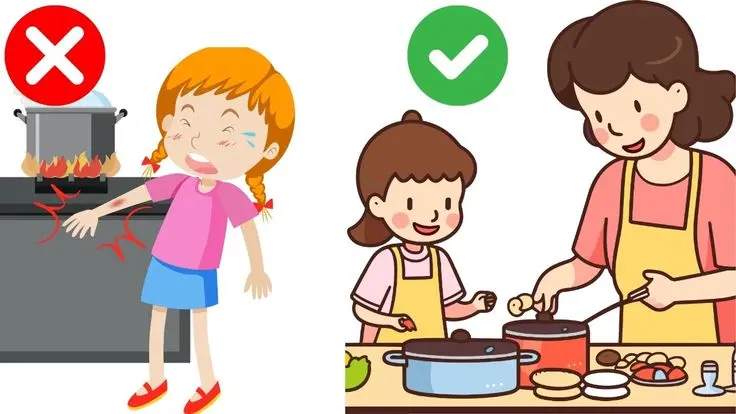
Step 4: Improve Kitchen Safety
The kitchen is one of the most common places for accidents.
- Keep sharp objects out of reach
- Turn pot handles inward
- Avoid leaving the stove unattended
Always stay alert while cooking to reduce risks.
Step 5: Ensure Electrical Safety
Electrical hazards can be dangerous if ignored.
- Do not overload power outlets
- Replace damaged cords
- Keep appliances away from water
Regular checks can prevent fires and shocks.
Step 6: Maintain Bathroom Safety
Bathrooms can be slippery and risky.
- Use non-slip mats
- Install grab bars if needed
- Keep floors dry
These measures help prevent falls and injuries.
Step 7: Secure Doors and Windows
Protect your home from intruders.
- Install strong locks
- Use security cameras if possible
- Keep doors locked at night
Security is a key part of home safety tips for families.
Step 8: Create an Emergency Plan
Every family should have a plan in case of emergencies.
- Teach children emergency numbers
- Plan escape routes
- Practice drills regularly
Being prepared can save lives.
Benefits of Home Safety Tips for Families
- Reduces the risk of accidents and injuries
- Creates a secure environment for children
- Improves emergency preparedness
- Provides peace of mind for parents
- Helps avoid costly damages and repairs
- Encourages responsible habits in family members
- Builds awareness about potential hazards
Disadvantages / Risks
- Initial setup can take time and effort
- Some safety equipment may be costly
- Requires regular maintenance and updates
- Overconfidence may lead to ignoring risks
- Children may resist certain restrictions
Common Mistakes to Avoid
One common mistake is ignoring small hazards. For example, a loose rug may not seem dangerous but can cause serious falls.
Another mistake is not testing safety devices. Smoke alarms are only useful if they work properly. Always check them regularly.
Many families also forget to update safety measures as children grow. What works for a toddler may not be suitable for a teenager.
Overloading electrical outlets is another frequent issue. This can increase the risk of fire and should be avoided.
Lastly, not having an emergency plan is a major mistake. Without a clear plan, people may panic during emergencies.
FAQs
1. What are the most important home safety tips for families?
The most important tips include installing smoke detectors, childproofing your home, and creating an emergency plan. These steps provide basic protection for all family members.
2. How often should I check home safety devices?
You should check devices like smoke alarms at least once a month. Replace batteries regularly to ensure they function properly.
3. How can I make my home safer for children?
Use safety gates, cover sharp edges, and lock cabinets with harmful items. Teaching children basic safety rules is also important.
4. Why is an emergency plan necessary?
An emergency plan helps everyone know what to do during unexpected situations. It reduces panic and ensures quick action.
5. Are home safety tips for families expensive to implement?
Not all safety measures are costly. Many steps, like organizing spaces and fixing hazards, require little to no money.
6. Can small changes really improve home safety?
Yes, even small actions like keeping floors dry or securing loose wires can greatly reduce risks and prevent accidents.
Expert Tips & Bonus Points
Start with simple changes and gradually improve your home safety setup. You do not need to do everything at once.
Involve your family in safety discussions. When everyone understands the importance of safety, they are more likely to follow rules.
Keep emergency contacts visible in your home. This ensures quick access during urgent situations.
Regularly review your safety measures. As your home environment changes, update your strategies accordingly.
Use technology wisely. Smart alarms and cameras can enhance your home’s security and provide real-time alerts.
Teach children through examples. When they see adults practicing safety, they are more likely to adopt the same habits.
Conclusion
Creating a safe home is not complicated, but it does require attention and consistency. By following the right home safety tips for families, you can protect your loved ones and prevent many common accidents.
Safety begins with awareness. Once you understand potential risks, you can take simple steps to eliminate them. From installing safety devices to teaching children good habits, every action contributes to a secure environment.
It is also important to remember that home safety is an ongoing process. Regular checks and updates ensure that your home remains safe as your family grows and changes. Staying prepared for emergencies is equally important, as it helps you respond quickly and effectively.
