

Introduction
Emergencies can happen anytime, often without warning. Knowing how to respond during a fire earthquake or flood can make a huge difference in protecting your life and the lives of others. Many people panic in these situations because they are unprepared. However, with the right knowledge and simple planning, you can stay calm and act wisely.
In this guide, you will learn how to respond during a fire earthquake or flood using easy steps and practical advice. Whether you are at home, work, or outside, these strategies will help you stay safe. Natural disasters and accidents may feel overwhelming, but preparation reduces fear and confusion.
Understanding how to respond during a fire earthquake or flood is not just for experts. It is a basic life skill that everyone should learn. This article explains everything in simple language, so beginners can easily follow. At the same time, it offers deeper insights for those who want to improve their emergency readiness.
What is How to Respond During a Fire Earthquake or Flood?
The phrase how to respond during a fire earthquake or flood refers to the actions you should take immediately when facing these emergencies. Each disaster is different, but they all require quick thinking and proper decision-making.
A fire spreads rapidly and can trap people within minutes. An earthquake can shake buildings and cause sudden collapse. A flood can rise quickly and sweep away everything in its path. Because of these risks, knowing the right response is critical.
For example, during a fire, you must exit the building safely without using elevators. During an earthquake, you should drop, cover, and hold on. In a flood, moving to higher ground is essential.
Learning how to respond during a fire earthquake or flood helps you avoid dangerous mistakes. It also prepares you to help others, including family members, children, and elderly people.
In simple terms, it is about staying safe, acting fast, and making smart decisions under pressure.
Why is How to Respond During a Fire Earthquake or Flood Important?
Understanding how to respond during a fire earthquake or flood is important because it can save lives. Many injuries and deaths happen not because of the disaster itself, but because people do not know what to do.
First, it reduces panic. When you know what steps to follow, you are less likely to freeze or make poor choices. Second, it increases survival chances. Quick and correct actions can help you escape danger safely.
Moreover, it helps protect property and loved ones. For example, turning off electricity during a flood or closing doors during a fire can reduce damage.
Another reason is that emergencies often affect large groups. If everyone knows how to respond during a fire earthquake or flood, communities become safer and more organized.
Finally, being prepared gives you confidence. Instead of feeling helpless, you feel ready to face unexpected situations.
Detailed Step-by-Step Guide
How to Respond During a Fire
Fires can spread quickly, so every second matters. Follow these steps carefully:
- Stay calm and alert others immediately.
- If possible, use a fire alarm or shout for help.
- Do not waste time collecting belongings.
- Use stairs instead of elevators.
- Stay low to avoid smoke inhalation.
- Cover your nose and mouth with a cloth.
- Check doors before opening them. If hot, do not open.
- Exit the building as quickly as possible.
- Once outside, move away from the building.
- Call emergency services immediately.
For example, if a fire starts in your kitchen, do not try to fight large flames. Instead, leave the area and warn others.
How to Respond During an Earthquake
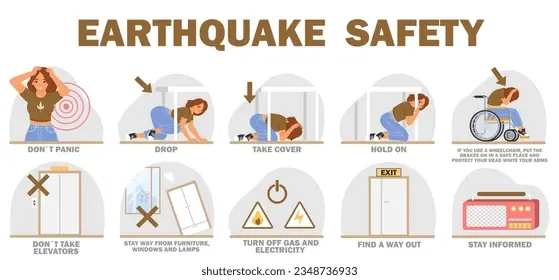
Earthquakes happen suddenly, so quick action is essential:
- Drop to the ground immediately.
- Take cover under a sturdy table or desk.
- Hold on until the shaking stops.
- Stay away from windows and heavy objects.
- If outside, move to an open area.
- If driving, stop the vehicle safely.
- After shaking stops, exit damaged buildings carefully.
- Watch for aftershocks.
For instance, if you are in a classroom, hide under your desk and protect your head.
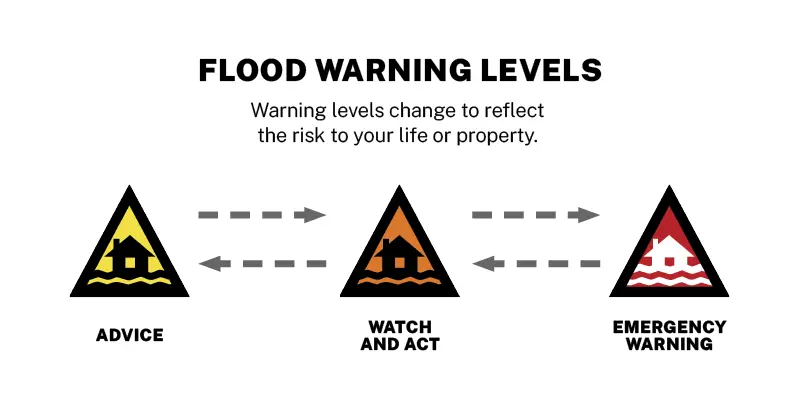
How to Respond During a Flood
Floods can rise quickly, especially after heavy rain:
- Move to higher ground immediately.
- Avoid walking or driving through floodwater.
- Turn off electricity if safe to do so.
- Stay informed through news or alerts.
- Prepare emergency supplies.
- Do not return until authorities say it is safe.
- Keep important documents in waterproof containers.
For example, if water starts entering your home, go to the upper floor instead of staying on the ground level.
Benefits of How to Respond During a Fire Earthquake or Flood
- Improves personal safety during emergencies
- Reduces panic and confusion
- Helps protect family and loved ones
- Minimizes injuries and damage
- Builds confidence in crisis situations
- Encourages better planning and preparedness
- Supports community safety and cooperation
Disadvantages / Risks
- Requires time to learn and practice
- People may forget steps under stress
- Lack of proper training can cause mistakes
- Some situations may be unpredictable
- Overconfidence may lead to risky decisions
Common Mistakes to Avoid
One of the biggest mistakes people make is panicking. Panic leads to poor decisions, such as running in the wrong direction or ignoring safety rules.
Another mistake is ignoring warnings. For example, staying inside during a flood alert can be dangerous.
People also often try to save belongings during a fire, which wastes valuable time. Similarly, standing near windows during an earthquake increases the risk of injury.
Driving through floodwater is another common error. Even shallow water can be dangerous and sweep vehicles away.
Lastly, many people do not prepare emergency kits. This lack of preparation can make survival more difficult.
Avoiding these mistakes is a key part of learning how to respond during a fire earthquake or flood.
FAQs
1. What should I do first during a fire?
The first step is to stay calm and alert others. Then exit the building quickly using stairs. Do not use elevators or waste time collecting items.
2. How can I stay safe during an earthquake at home?
Drop, cover, and hold on under a sturdy table. Stay away from windows and heavy furniture. Wait until the shaking stops before moving.
3. Is it safe to walk through floodwater?
No, it is not safe. Floodwater can be deeper than it appears and may contain harmful substances. Always move to higher ground instead.
4. Should I call emergency services immediately?
Yes, once you are safe, call emergency services. Provide clear information about your location and the situation.
5. How can I prepare for these disasters?
Prepare an emergency kit with food, water, first aid supplies, and important documents. Practice safety drills with your family.
6. What is the safest place during an earthquake?
The safest place is under a strong table or desk. If outside, move to an open area away from buildings and trees.
7. Why is preparation important?
Preparation helps you act quickly and confidently. It reduces panic and increases your chances of staying safe during emergencies.
Expert Tips & Bonus Points
Always create an emergency plan with your family. Make sure everyone knows exit routes and meeting points.
Keep a ready-to-go emergency kit. Include water, food, flashlight, batteries, and a first aid kit.
Practice drills regularly. This helps you remember what to do during real situations.
Stay informed through reliable sources. Weather alerts and safety updates can guide your actions.
Teach children simple safety rules. Make sure they understand basic steps without feeling scared.
Wear proper footwear during emergencies. This protects your feet from debris and hazards.
Finally, remain calm and focused. Clear thinking is your strongest tool during any disaster.
Conclusion
Knowing how to respond during a fire earthquake or flood is one of the most important life skills you can have. Emergencies are unpredictable, but your response does not have to be. With the right knowledge and preparation, you can handle these situations with confidence.
Throughout this guide, we discussed practical steps for fires, earthquakes, and floods. Each situation requires different actions, but the key idea is to stay calm, act quickly, and prioritize safety. Learning how to respond during a fire earthquake or flood helps you protect yourself and others.
Preparation is just as important as response. Creating an emergency plan, practicing drills, and keeping supplies ready can make a big difference. Even small steps can improve your safety.
