

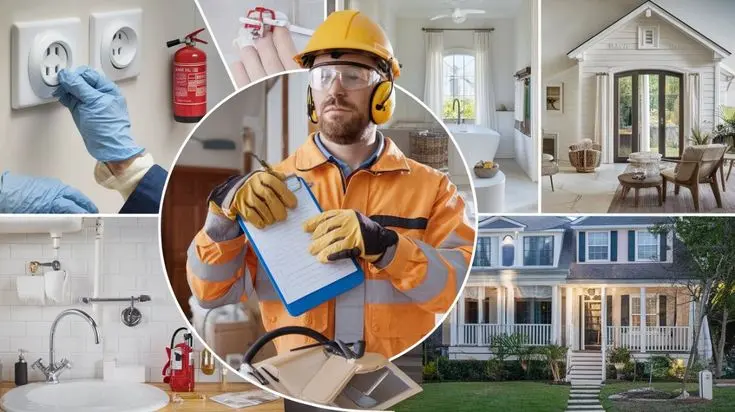
Introduction
Every home should be a safe and comfortable place, but hidden dangers can exist in almost every room. From slippery floors to faulty wiring, these risks can lead to injuries, property damage, or even serious accidents if ignored. That’s why understanding common home hazards and how to prevent them is essential for every homeowner and tenant.
Many people think accidents only happen in unsafe environments, yet most injuries actually occur at home. Simple things like loose rugs, sharp objects, or overloaded sockets can quickly become dangerous. The good news is that most of these risks are easy to identify and fix with a little awareness and effort.
In this guide, we will explore common home hazards and how to prevent them in a clear and simple way. Whether you live alone, with family, or have children or elderly members at home, these tips will help you create a safer living space.
What is Common Home Hazards and How to Prevent Them?
Common home hazards and how to prevent them refers to identifying everyday risks found inside and around the house and taking practical steps to eliminate or reduce those risks.
These hazards can include:
- Physical dangers like slippery floors or sharp objects
- Electrical risks such as exposed wires or overloaded plugs
- Fire hazards from unattended cooking or faulty appliances
- Health risks like mold, dust, or poor ventilation
Prevention involves simple actions such as regular maintenance, proper storage, using safety tools, and staying alert to possible dangers.
For example, a wet bathroom floor can cause slips, but placing non-slip mats and cleaning spills immediately can prevent accidents. Similarly, keeping cleaning chemicals out of reach can protect children from harm.
Why is Common Home Hazards and How to Prevent Them Important?
Understanding common home hazards and how to prevent them is important because it directly impacts your safety and well-being.
First, it helps reduce accidents. Many injuries at home are preventable if hazards are recognized early. Falls, burns, and cuts are among the most common incidents.
Second, it protects vulnerable people. Children, elderly individuals, and pets are more likely to get injured. A safe environment ensures their protection.
Third, it saves money. Preventing accidents means avoiding medical bills, repairs, and damage costs.
Additionally, it gives peace of mind. When your home is safe, you feel more relaxed and confident.
Lastly, it improves daily living. A hazard-free home is more organized, clean, and comfortable.
Detailed Step-by-Step Guide
Step 1: Identify Potential Hazards
Walk through your home and look for possible dangers.
Check each room carefully and ask yourself:
- Are there loose wires or cables?
- Are floors slippery or uneven?
- Are sharp tools stored safely?
Make a list of all the hazards you find.
Step 2: Improve Floor Safety
Slips and falls are very common at home.
To prevent them:
- Use non-slip mats in bathrooms and kitchens
- Fix loose carpets or rugs
- Clean spills immediately
- Ensure proper lighting in all areas
For example, placing a rubber mat near the sink can reduce the risk of slipping.
Step 3: Manage Electrical Safety
Electrical hazards can cause shocks or fires.
Follow these tips:
- Avoid overloading power outlets
- Replace damaged wires immediately
- Keep electrical items away from water
- Use proper extension cords
Also, unplug devices when not in use.
Step 4: Prevent Fire Hazards
Fire is one of the most dangerous risks at home.
Take these precautions:
- Never leave cooking unattended
- Keep flammable items away from heat
- Install smoke detectors
- Have a fire extinguisher ready
For example, always turn off the stove before leaving the kitchen.
Step 5: Store Chemicals Safely
Cleaning products and chemicals can be harmful.
To stay safe:
- Keep them out of reach of children
- Store in labeled containers
- Avoid mixing chemicals
- Use proper ventilation when using them
This reduces the risk of poisoning or harmful reactions.
Step 6: Secure Furniture and Heavy Items
Heavy furniture can fall and cause injuries.
To prevent this:
- Anchor shelves and cabinets to walls
- Avoid placing heavy items on high shelves
- Keep furniture stable
This is especially important in homes with children.
Step 7: Maintain Kitchen Safety
The kitchen has many hazards.
Follow these steps:
- Keep knives in safe holders
- Turn pot handles inward
- Clean grease regularly
- Avoid wearing loose clothing while cooking
A clean and organized kitchen reduces risks significantly.
Step 8: Improve Bathroom Safety
Bathrooms are high-risk areas.
Make them safer by:
- Installing grab bars
- Using anti-slip mats
- Keeping floors dry
- Checking water temperature
This helps prevent slips and burns.
Step 9: Ensure Proper Lighting
Poor lighting can cause accidents.
Improve visibility by:
- Using bright lights in hallways
- Installing night lights
- Replacing broken bulbs
Good lighting makes it easier to spot hazards.
Step 10: Regular Maintenance
Routine checks keep your home safe.
Make it a habit to:
- Inspect appliances
- Check for leaks
- Repair damages quickly
Regular maintenance prevents small issues from becoming big problems.
Benefits of Common Home Hazards and How to Prevent Them

- Reduces risk of injuries and accidents
- Creates a safer environment for children and elderly
- Saves money on repairs and medical costs
- Improves overall home organization
- Increases peace of mind
- Enhances comfort and daily living
- Helps in emergency preparedness
Disadvantages / Risks
- Requires time and effort to inspect and fix hazards
- Some safety improvements may cost money
- People may ignore small risks, leading to bigger problems
- Overconfidence can lead to neglecting safety checks
Common Mistakes to Avoid
Many people make simple mistakes when dealing with home safety.
One common mistake is ignoring small hazards. A loose wire or wet floor may seem minor but can cause serious accidents.
Another mistake is delaying repairs. Broken items should be fixed immediately to prevent risks.
People also forget regular inspections. Safety is not a one-time task but an ongoing process.
Using low-quality safety products is another issue. Cheap tools may fail when needed most.
Lastly, lack of awareness is a big problem. Not knowing about common home hazards and how to prevent them can lead to avoidable dangers.
FAQs
1. What are the most common home hazards?
The most common home hazards include slippery floors, electrical issues, fire risks, sharp objects, and chemical exposure. These can be found in almost every home.
2. How can I make my home safer for children?
Keep harmful items out of reach, use safety locks, cover electrical outlets, and secure furniture. Supervision is also very important.
3. How often should I check for home hazards?
It is best to inspect your home at least once a month. Regular checks help identify and fix problems early.
4. Are small hazards really dangerous?
Yes, even small hazards can cause serious injuries. For example, a small spill can lead to a major fall.
5. What is the biggest cause of accidents at home?
Falls are the leading cause of home accidents. They usually happen due to slippery surfaces or poor lighting.
6. Do I need professional help for home safety?
Not always. Many hazards can be fixed easily. However, for electrical or structural issues, professional help is recommended.
Expert Tips & Bonus Points
Start with high-risk areas like kitchens and bathrooms. These places have the most hazards.
Use checklists to track safety improvements. This helps you stay organized.
Teach family members about safety rules. Awareness is key to prevention.
Keep emergency numbers easily accessible. Quick action can save lives.
Invest in basic safety tools like fire extinguishers and first aid kits.
Always stay alert and proactive. Prevention is always better than cure.
Conclusion
Creating a safe home does not require complicated steps. It simply involves awareness, regular checks, and small improvements. By understanding common home hazards and how to prevent them, you can significantly reduce the risk of accidents and injuries.
Throughout this guide, we have explored various risks that exist in everyday living spaces. From slippery floors and electrical dangers to fire risks and unsafe storage, each hazard can be managed with simple actions. The key is to stay consistent and never ignore potential problems.
A safe home is especially important for families with children, elderly members, or pets. However, safety should be a priority for everyone. Even small changes, like improving lighting or securing furniture, can make a big difference.
