


Introduction
Fire accidents can happen anytime, often without warning. A small spark in the kitchen, a faulty wire, or even a forgotten candle can quickly turn into a serious emergency. That is why having a fire safety checklist for every home is not just helpful, but essential. It gives you a clear plan to prevent fires and act quickly if something goes wrong.
Many people believe fires only happen in careless homes, but the truth is different. Even well-maintained houses can face risks. Therefore, being prepared is always better than being surprised. A simple checklist helps you stay alert, organized, and ready.
In this guide, you will learn everything you need to know about creating and following a fire safety checklist for every home. From understanding basic risks to taking practical steps, this article will make fire safety easy to understand.
What is Fire Safety Checklist for Every Home?
A fire safety checklist for every home is a simple list of steps and precautions that help prevent fires and prepare you for emergencies. It acts like a safety guide that you can follow regularly.
This checklist includes tasks such as checking smoke alarms, inspecting electrical systems, and storing flammable items safely. It also covers emergency planning, like knowing exit routes and keeping fire extinguishers ready.
In simple words, it is a routine plan that keeps your home safe from fire risks. Instead of guessing what to do during an emergency, you already have a clear system in place.
For example, a checklist may remind you to test smoke alarms every month or keep matches away from children. These small actions can make a big difference in preventing accidents.
Why is Fire Safety Checklist for Every Home Important?
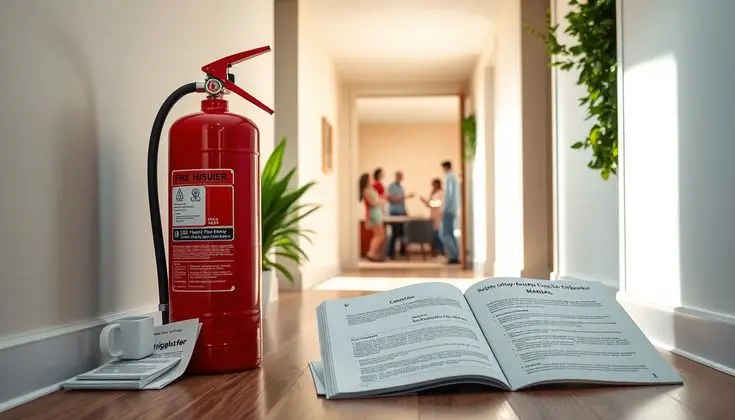
Fire safety is not something to ignore. A fire safety checklist for every home plays a key role in protecting lives and property.
First, it helps reduce the chances of fire. When you regularly check appliances and wiring, you can spot problems early. This prevents dangerous situations.
Second, it prepares you for emergencies. If a fire starts, you already know what to do. This saves time and reduces panic.
Another important reason is family safety. Children and elderly members are more vulnerable during emergencies. A proper checklist ensures everyone knows how to respond.
Moreover, fires can cause huge financial losses. By following safety steps, you protect your home and belongings.
Finally, having a checklist gives peace of mind. You feel more confident knowing your home is safe and prepared.
Detailed Step-by-Step Guide
Check Smoke Alarms Regularly
Smoke alarms are your first line of defense. Install them in every bedroom, hallway, and living area.
Test them once a month to ensure they work properly. Replace batteries at least once a year.
If a smoke alarm makes a beeping sound, do not ignore it. It usually means the battery is low.
Inspect Electrical Systems
Faulty wiring is a common cause of fires. Check all wires and plugs regularly.
Avoid overloading sockets with too many devices. Use quality extension cords and avoid damaged cables.
If you notice sparks or burning smells, call a professional immediately.
Keep Fire Extinguishers Ready
Every home should have at least one fire extinguisher. Place it in the kitchen and other high-risk areas.
Learn how to use it properly. A fire extinguisher is only helpful if you know how to operate it quickly.
Check its expiry date and pressure level regularly.
Create an Emergency Exit Plan
Plan at least two exit routes from every room. Make sure doors and windows open easily.
Practice fire drills with your family. This helps everyone stay calm during real emergencies.
Keep emergency numbers saved and easily accessible.
Store Flammable Items Safely
Keep items like gasoline, cleaning liquids, and sprays away from heat sources.
Store them in cool, dry places. Never keep flammable materials near the kitchen or electrical panels.
Always close containers tightly after use.
Maintain Kitchen Safety
The kitchen is one of the most common places for fires. Never leave cooking unattended.
Keep towels, paper, and plastic away from the stove.
Turn off gas and electrical appliances after use. Also, clean grease buildup regularly.
Use Heating Equipment Carefully
Heaters should be placed away from furniture and curtains.
Do not leave heaters running overnight or when you leave the house.
Always follow manufacturer instructions for safe use.
Keep Matches and Lighters Away
Children are naturally curious. Keep matches and lighters out of their reach.
Teach children about fire safety at an early age. Awareness reduces risks significantly.
Install Fire-Resistant Materials
If possible, use fire-resistant curtains, furniture, and building materials.
These materials slow down fire spread, giving you more time to escape.
Regular Home Inspections
Set a schedule to review your fire safety checklist for every home.
Monthly and yearly inspections help maintain safety standards.
Keep a record of all checks and updates.
Benefits of Fire Safety Checklist for Every Home
- Reduces the risk of fire accidents
- Helps detect problems early
- Improves emergency preparedness
- Protects family members and pets
- Minimizes property damage
- Saves money on repairs and losses
- Builds confidence and awareness
- Ensures peace of mind
Disadvantages / Risks
- Requires regular effort and time
- People may ignore or forget tasks
- Initial setup cost for equipment
- Overconfidence may lead to carelessness
- Lack of proper training can reduce effectiveness
Common Mistakes to Avoid
Many people create a fire safety checklist for every home but fail to follow it correctly.
One common mistake is not testing smoke alarms. Installing them is not enough; regular checks are necessary.
Another mistake is ignoring small electrical issues. Minor problems can turn into serious hazards.
People often forget to update their emergency plans. As families grow or homes change, plans should be revised.
Storing flammable items carelessly is also risky. Even small mistakes can lead to big accidents.
Lastly, many households do not practice fire drills. Without practice, people panic during real emergencies.
FAQs
What should be included in a fire safety checklist?
A fire safety checklist for every home should include smoke alarm checks, electrical inspections, fire extinguisher maintenance, and emergency planning.
How often should I check my fire safety equipment?
You should test smoke alarms monthly and inspect extinguishers every few months. Annual checks are also important.
Where should fire extinguishers be placed?
Keep them in easily accessible areas like the kitchen, garage, and near exits.
Can children be taught fire safety?
Yes, teaching children basic fire safety rules is very important. It helps them respond correctly during emergencies.
What is the most common cause of house fires?
Kitchen accidents and electrical faults are among the most common causes.
Is a fire safety checklist necessary for small homes?
Yes, every home needs a fire safety checklist for every home, regardless of size.
How can I make my home more fire-resistant?
Use fire-resistant materials, maintain electrical systems, and keep flammable items away from heat sources.
Expert Tips & Bonus Points
Experts recommend reviewing your fire safety checklist for every home at least twice a year. This ensures everything is updated and working properly.
Install interconnected smoke alarms. When one alarm sounds, all alarms go off, giving better warning.
Keep a fire blanket in the kitchen. It is very useful for small fires.
Label emergency exits clearly, especially in larger homes. This helps guests and children.
Always unplug unused electrical devices. This reduces the risk of overheating.
Consider installing a home sprinkler system if your budget allows. It adds an extra layer of protection.
Lastly, stay informed. Fire safety rules and technologies keep improving, so updating your knowledge is important.
Conclusion
Fire safety is something no one should take lightly. A simple step today can prevent a major disaster tomorrow. By following a fire safety checklist for every home, you create a safer environment for yourself and your loved ones.
This checklist is not complicated. It only requires regular attention and a bit of discipline. Checking alarms, maintaining appliances, and planning exits are small actions, but they have a huge impact.
Moreover, being prepared reduces panic during emergencies. When everyone knows what to do, the chances of injury or damage decrease significantly. That is why practicing fire drills and updating your checklist regularly is so important.
