

Introduction
Learning how to stay safe when walking alone is an essential life skill in today’s fast-moving world. Whether you are heading to work, going for an evening walk, or traveling in a new city, being alone in public spaces can sometimes feel uncertain. However, with the right mindset and preparation, you can greatly reduce risks and feel more confident wherever you go.
Many people believe that danger is unavoidable, but that is not entirely true. In fact, most unsafe situations can be prevented with simple awareness and smart habits. By understanding your surroundings, trusting your instincts, and making thoughtful decisions, you can protect yourself effectively.
This guide is designed for beginners and intermediate readers who want clear, simple advice. You do not need special training or expensive tools to stay safe. Small actions, like choosing well-lit paths or keeping your phone ready, can make a big difference.
What is How to Stay Safe When Walking Alone?
How to stay safe when walking alone refers to a set of habits, precautions, and awareness techniques that help protect you when you are by yourself in public places. It includes both physical safety and mental preparedness.
This concept is not only about avoiding danger. It is also about building confidence and reducing fear. When you know what to do and how to react, you naturally feel more in control.
For example, choosing a busy street instead of a quiet shortcut is part of staying safe. Similarly, being alert instead of distracted by your phone is another simple but powerful habit.
In simple terms, it means making smart choices before and during your walk to reduce risks and stay protected.
Why is How to Stay Safe When Walking Alone Important?
Understanding how to stay safe when walking alone is important for everyone, regardless of age or gender. Risks can exist anywhere, even in familiar areas.
First, it helps prevent dangerous situations. Awareness allows you to notice unusual behavior early and avoid potential threats.
Second, it builds confidence. When you feel prepared, you walk with more assurance. This alone can discourage unwanted attention.
Third, it supports independence. You do not have to depend on others for safety if you know how to handle situations yourself.
Finally, it promotes peace of mind. Instead of feeling anxious, you can enjoy your walk knowing you have taken the right precautions.
Detailed Step-by-Step Guide
Plan Your Route in Advance
Before leaving, always think about where you are going. Choose routes that are well-lit and have regular foot traffic.
Avoid isolated areas, especially at night. If possible, inform someone about your destination and expected arrival time.
For example, instead of taking a dark alley as a shortcut, choose a main road with shops and people.
Stay Aware of Your Surroundings
One of the most important parts of how to stay safe when walking alone is awareness. Keep your head up and observe what is happening around you.
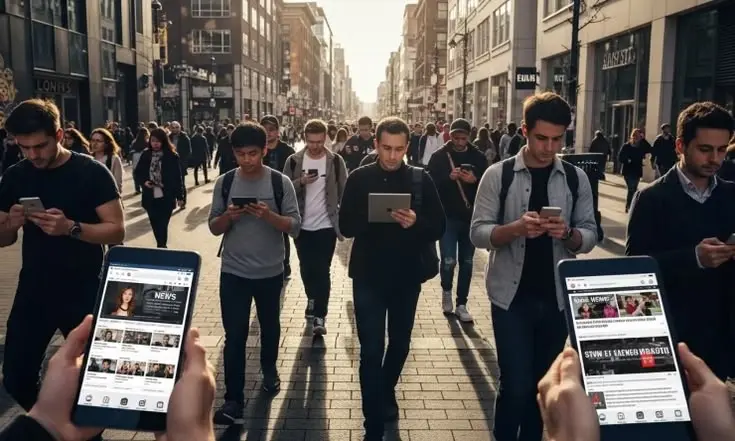
Avoid wearing headphones at high volume. This can block important sounds like footsteps or vehicles.
Look around regularly and notice people, exits, and safe places like stores or cafes.
Trust Your Instincts
Your instincts are powerful. If something feels wrong, do not ignore it.
For instance, if you feel uncomfortable about someone walking behind you, change your direction or enter a crowded place.
It is always better to be cautious than to regret later.
Keep Your Phone Ready
Carry your phone in an easily accessible place. Make sure it is charged before you leave.
You can also share your live location with a trusted person. This adds an extra layer of safety.
Avoid using your phone constantly while walking, as it can distract you.
Dress for Safety
Wear comfortable clothing and shoes that allow you to move quickly if needed.
Avoid carrying too many valuables or displaying expensive items openly. This can attract unwanted attention.
A simple and practical outfit is always better when walking alone.
Walk Confidently
Your body language matters more than you think. Walk with purpose and confidence.
Keep your shoulders straight and maintain a steady pace. Avoid looking lost or unsure.
Confident behavior often discourages potential threats.
Avoid Distractions
Distractions can reduce your awareness. Limit activities like texting, scrolling, or watching videos while walking.
Instead, focus on your surroundings and stay alert at all times.
Know Emergency Contacts
Always have important numbers saved in your phone. This includes family, friends, and local emergency services.
In case of danger, quick access to help can make a big difference.
Benefits of How to Stay Safe When Walking Alone
- Improves personal safety and reduces risk
- Builds confidence in daily activities
- Helps you stay calm in unfamiliar situations
- Encourages independence and self-reliance
- Reduces anxiety while traveling alone
- Makes you more aware of your surroundings
- Helps you make smarter decisions quickly
Disadvantages / Risks
- Overconfidence can lead to ignoring real threats
- Constant alertness may feel tiring over time
- Some safety measures may limit freedom of movement
- Fear can still exist despite precautions
- Not all situations can be fully controlled
Common Mistakes to Avoid
Many people think they understand how to stay safe when walking alone, but they still make simple mistakes.
One common mistake is being too distracted. Using your phone or listening to loud music reduces awareness.
Another mistake is ignoring instincts. If something feels wrong, do not dismiss it.
Walking in poorly lit areas is also risky. Even if it saves time, it increases danger.
Some people also carry too many valuables. This can make them an easy target.
Lastly, failing to plan ahead can lead to unsafe decisions. Always think before you leave.
FAQs
Is it safe to walk alone at night?
Walking alone at night can be safe if you take proper precautions. Choose well-lit areas, stay alert, and avoid isolated places.
What should I carry for safety?
Carry essentials like a charged phone, identification, and emergency contacts. Avoid unnecessary valuables.
How can I appear more confident?
Walk with purpose, keep your head up, and maintain a steady pace. Confidence often discourages unwanted attention.
Should I share my location with someone?
Yes, sharing your live location with a trusted person is a smart safety measure, especially in unfamiliar areas.
What should I do if I feel followed?
Change your direction, enter a crowded place, or seek help immediately. Trust your instincts.
Can I listen to music while walking?
You can, but keep the volume low. Staying aware of your surroundings is more important.
Expert Tips & Bonus Points
Experts often emphasize small habits that make a big difference in how to stay safe when walking alone.
Always walk facing traffic when there are no sidewalks. This allows you to see approaching vehicles.
Use reflections, like windows or mirrors, to observe behind you without turning around.
If possible, vary your routine. Avoid walking the same route at the same time every day.
Carry a small flashlight if you expect low light conditions. It helps you see clearly and be seen by others.
Practice situational awareness regularly. Over time, it becomes a natural habit.
Lastly, stay calm under pressure. Panic can lead to poor decisions, while a calm mind helps you act wisely.
Conclusion
Understanding how to stay safe when walking alone is not about living in fear. Instead, it is about being prepared, aware, and confident in your actions. When you take simple precautions, you significantly reduce risks and improve your overall safety.
Throughout this guide, we explored practical steps such as planning your route, staying alert, and trusting your instincts. These habits are easy to adopt and can quickly become part of your daily routine.
It is also important to remember that no method is perfect. However, combining awareness with smart decisions creates a strong layer of protection. The goal is not to avoid walking alone but to do it safely and confidently.
