

Introduction
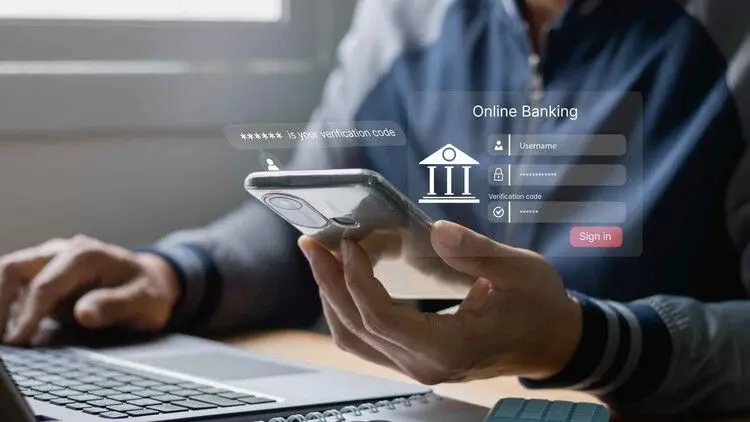
In today’s digital world, managing money online has become very common. From checking balances to transferring funds, online banking makes life easier and faster. However, with this convenience comes risk. Cybercriminals are always looking for ways to steal personal and financial information. That is why learning Safe online banking habits to protect your money is more important than ever.
Many people assume banks handle all security, but users also play a key role. A small mistake, like clicking a fake link or using a weak password, can lead to serious financial loss. Fortunately, protecting yourself does not require advanced technical skills. With simple steps and awareness, you can reduce risks and keep your money safe.
This guide will help you understand the basics and advanced strategies for secure online banking. Whether you are new to digital banking or already experienced, following these tips will improve your safety. By building strong habits, you can enjoy the benefits of online banking without fear.
What is Safe Online Banking Habits to Protect Your Money?
Safe online banking habits to protect your money refer to the practices and actions you take to secure your financial accounts while using the internet. These habits help prevent unauthorized access, fraud, and identity theft.
In simple terms, it means using online banking in a smart and careful way. This includes creating strong passwords, avoiding suspicious links, and monitoring your account regularly.
Online banking involves sensitive information such as:
- Account numbers
- Login credentials
- Transaction history
- Personal identification details
Because this data is valuable, hackers try to exploit weak security. Safe habits act as a shield against these threats.
For example, logging in only from trusted devices and networks is a basic yet powerful habit. Similarly, enabling two-factor authentication adds an extra layer of protection.
These habits are not difficult to follow. They only require awareness and consistency. Once you practice them regularly, they become part of your routine.
Why is Safe Online Banking Habits to Protect Your Money Important?
Understanding the importance of Safe online banking habits to protect your money can motivate you to stay cautious.
First, financial loss is a real risk. Cybercriminals can transfer money from your account if they gain access. Recovering stolen funds can take time and may not always be successful.
Second, identity theft is a serious issue. Hackers can use your personal information to open new accounts or commit fraud in your name.
Third, online scams are becoming more advanced. Phishing emails and fake websites look very real. Without proper habits, it is easy to fall into these traps.
Additionally, protecting your money also protects your peace of mind. When you know your accounts are secure, you can use online banking with confidence.
Banks do provide security systems, but they cannot protect you from every mistake. Your actions matter just as much.
Finally, strong habits help you stay ahead of evolving threats. As technology grows, so do cyber risks. Staying informed and careful is the best defense.
Detailed Step-by-Step Guide
Create Strong and Unique Passwords
A strong password is your first line of defense. Avoid using simple passwords like “123456” or your name.
Follow these tips:
- Use at least 12 characters
- Combine letters, numbers, and symbols
- Avoid using the same password for multiple accounts
For example, instead of “password123,” use something like “R7!kL9@zP3x”.
Also, change your passwords regularly to stay safe.
Enable Two-Factor Authentication (2FA)
Two-factor authentication adds an extra layer of security. Even if someone knows your password, they cannot access your account without a second code.
This code is usually sent to your phone or email.
Always enable 2FA on your banking apps and websites. It significantly reduces the risk of unauthorized access.
Use Secure Internet Connections
Avoid using public Wi-Fi for online banking. Public networks are often unsecured and easy to hack.
Instead:
- Use your home Wi-Fi
- Turn on mobile data when needed
- Consider using a VPN for added security
Secure connections keep your data safe from hackers.
Keep Your Devices Updated
Outdated devices are more vulnerable to attacks. Software updates often include security patches.
Make sure to:
- Update your phone and computer regularly
- Install antivirus software
- Use trusted apps only
These steps help protect your device from malware and viruses.
Avoid Phishing Scams
Phishing is a common trick used by hackers. They send fake emails or messages pretending to be your bank.
Be cautious:
- Do not click on suspicious links
- Check the sender’s email address
- Avoid sharing personal information
If something feels wrong, contact your bank directly.
Monitor Your Bank Account Regularly
Checking your account frequently helps you spot unusual activity early.
Look for:
- Unknown transactions
- Unexpected charges
- Login alerts
If you notice anything suspicious, report it immediately.
Log Out After Every Session
Always log out of your banking account after use. This is especially important when using shared devices.
Leaving your account open increases the risk of unauthorized access.
Use Official Banking Apps
Download banking apps only from trusted sources like official app stores.
Avoid third-party apps that claim to offer banking services. They may steal your data.
Using official apps ensures better security and reliability.
Benefits of Safe Online Banking Habits to Protect Your Money
- Protects your financial information from hackers
- Reduces the risk of fraud and identity theft
- Gives you peace of mind while banking online
- Helps detect suspicious activity early
- Builds strong digital security awareness
- Keeps your personal data private
- Enhances overall online safety
- Prevents unauthorized transactions
Disadvantages / Risks
- Requires consistent effort and attention
- Some security steps may feel inconvenient
- Forgetting passwords can be frustrating
- Overconfidence can still lead to mistakes
- Advanced scams can still trick users
- Time needed to learn new security practices
Common Mistakes to Avoid
Many people make simple mistakes that put their money at risk.
One common mistake is using weak passwords. Easy passwords are the first target for hackers.
Another mistake is ignoring software updates. Skipping updates leaves your device vulnerable.
People also tend to trust emails too easily. Clicking unknown links can lead to phishing attacks.
Using public Wi-Fi for banking is another risky habit. Hackers can intercept your data on these networks.
Some users do not check their bank statements regularly. This delays the detection of fraud.
Saving passwords on shared devices is also dangerous. Others can access your account easily.
Lastly, many people reuse the same password for multiple accounts. If one account is hacked, all others become vulnerable.
Avoiding these mistakes can greatly improve your online banking safety.
FAQs
1. What is the safest way to use online banking?
The safest way is to follow strong security practices. Use secure networks, enable two-factor authentication, and monitor your account regularly.
2. How often should I change my banking password?
It is recommended to change your password every three to six months. This reduces the risk of unauthorized access.
3. Can public Wi-Fi be used for banking?
It is not safe to use public Wi-Fi for online banking. These networks are often unsecured and can expose your data to hackers.
4. What should I do if I notice suspicious activity?
Immediately contact your bank and report the issue. Also, change your password and review your recent transactions.
5. Are banking apps safe to use?
Yes, official banking apps are generally safe. Always download them from trusted app stores and keep them updated.
6. How can I identify a phishing email?
Look for unusual email addresses, spelling errors, and urgent requests for personal information. Avoid clicking unknown links.
Expert Tips & Bonus Points
To take your security to the next level, follow these expert tips.
Use a password manager to store and generate strong passwords. This makes it easier to manage multiple accounts.
Enable notifications for every transaction. Instant alerts help you act quickly in case of fraud.
Avoid sharing personal information on social media. Hackers can use this data to guess passwords.
Use biometric security features like fingerprint or face recognition if available.
Regularly review your credit report. This helps detect identity theft early.
Set daily transaction limits on your bank account. This reduces potential losses in case of unauthorized access.
Educate yourself about new cyber threats. Staying informed is one of the best defenses.
Finally, always trust your instincts. If something feels suspicious, do not proceed.
Conclusion
Online banking has made managing money easier than ever. However, it also comes with risks that cannot be ignored. By following Safe online banking habits to protect your money, you can enjoy convenience without compromising security.
Simple actions like using strong passwords, avoiding public Wi-Fi, and enabling two-factor authentication can make a big difference. These habits do not require technical expertise, but they do require consistency.
It is also important to stay alert. Cyber threats are constantly evolving, and scammers are becoming more creative. Regularly monitoring your account and staying informed can help you stay ahead.
