

Introduction
Emergencies can happen at any time, often without warning. From natural disasters like floods and earthquakes to unexpected events such as power outages or medical crises, being prepared can make a big difference. This is where a Family emergency preparedness plan template becomes essential. It helps families stay organized, calm, and ready to act when things go wrong.
Many people assume that emergencies are rare or that they will have enough time to react. However, the reality is different. When panic sets in, even simple decisions can feel overwhelming. A clear plan reduces confusion and ensures everyone in the family knows what to do.
In this guide, you will learn everything you need to know about creating a strong and effective Family emergency preparedness plan template. The language is simple, and the steps are easy to follow, making it suitable for beginners and intermediate readers.
What is Family Emergency Preparedness Plan Template?
A Family emergency preparedness plan template is a structured document that helps families prepare for emergencies. It outlines clear steps, roles, and actions to follow during different types of emergencies.
In simple terms, it is a ready-made plan that you can customize for your family’s needs. Instead of starting from scratch, you follow a template and fill in important details such as contact numbers, meeting points, and emergency supplies.
This template usually includes:
- Emergency contact information
- Evacuation routes
- Safe meeting locations
- Medical details
- Communication plans
For example, if a fire breaks out, your plan will already tell you where to go and how to contact each other. This saves time and reduces stress.
A good Family emergency preparedness plan template is easy to understand and accessible to all family members, including children.
Why is Family Emergency Preparedness Plan Template Important?

Having a Family emergency preparedness plan template is not just helpful; it is necessary. Emergencies can create chaos, and without a plan, people often make poor decisions.
Here are the main reasons why it is important:
First, it improves safety. When everyone knows what to do, the chances of injury or harm are reduced.
Second, it saves time. In emergencies, every second counts. A plan helps you act quickly without wasting time thinking.
Third, it reduces panic. Fear and confusion can make situations worse. A clear plan keeps everyone calm and focused.
Fourth, it ensures communication. During emergencies, phone lines may be down or crowded. A plan includes backup communication methods.
Finally, it protects important items. Your template can include a checklist of documents and essentials to carry.
In short, a Family emergency preparedness plan template gives you control in situations where things feel out of control.
Detailed Step-by-Step Guide
Step 1: Identify Possible Risks
Start by thinking about the types of emergencies that could affect your area.
Examples include:
- Floods
- Earthquakes
- Fires
- Storms
- Power outages
Understanding risks helps you build a more effective Family emergency preparedness plan template.
Step 2: Create an Emergency Contact List
Make a list of important contacts.
Include:
- Family members
- Neighbors
- Doctors
- Emergency services
Write these numbers on paper and store them in multiple places.
Step 3: Choose Safe Meeting Points
Select at least two meeting locations:
- One near your home
- One outside your neighborhood
This ensures everyone knows where to go if separated.
Step 4: Plan Escape Routes
Identify safe exits from your home.
Practice using:
- Main doors
- Back doors
- Windows if necessary
Make sure all family members understand these routes.
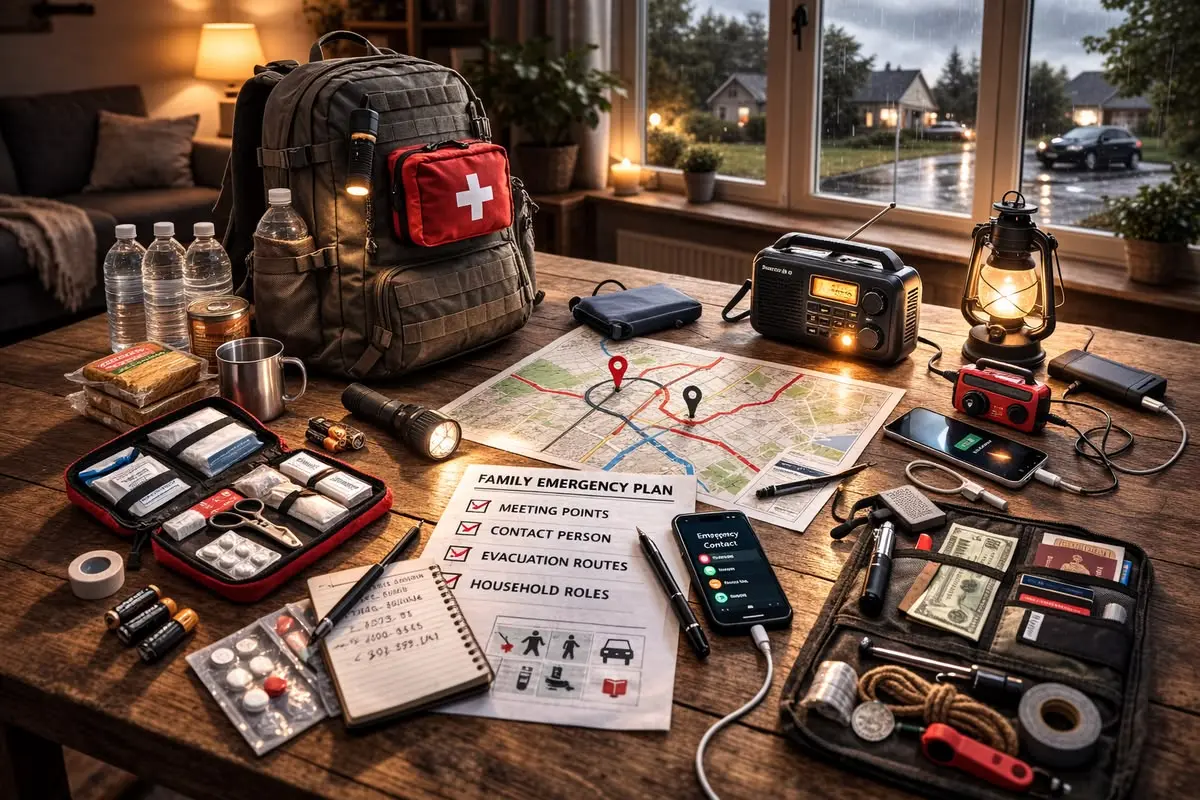
Step 5: Prepare an Emergency Kit
An emergency kit is a key part of your Family emergency preparedness plan template.
Include:
- Water and food
- Flashlights
- First aid kit
- Batteries
- Important documents
Keep the kit in an easy-to-reach place.
Step 6: Assign Responsibilities
Give each family member a role.
For example:
- One person handles the emergency kit
- Another contacts relatives
- Someone helps children or elderly members
This makes your plan more organized.
Step 7: Create a Communication Plan
Decide how you will communicate during emergencies.
Options include:
- Phone calls
- Text messages
- Social media
Also, choose a contact person outside your area.
Step 8: Practice the Plan
A plan is only useful if everyone understands it.
Practice regularly:
- Fire drills
- Evacuation drills
- Emergency communication
This builds confidence and readiness.
Step 9: Review and Update Regularly
Your Family emergency preparedness plan template should not stay the same forever.
Update it when:
- You move to a new home
- Family members change
- New risks arise
Regular updates keep your plan effective.
Benefits of Family Emergency Preparedness Plan Template
Using a Family emergency preparedness plan template offers many benefits:
- Helps families stay organized during emergencies
- Reduces stress and confusion
- Improves response time
- Protects lives and property
- Encourages teamwork among family members
- Builds confidence and awareness
- Makes emergency planning simple and structured
Overall, it gives peace of mind knowing you are prepared.
Disadvantages / Risks
While useful, there are some limitations:
- Plans can become outdated if not updated
- Some family members may forget their roles
- Overconfidence may lead to ignoring new risks
- Poor communication can weaken the plan
- Lack of practice reduces effectiveness
However, these risks can be managed with regular review and practice.
Common Mistakes to Avoid
Many families make simple mistakes when creating their Family emergency preparedness plan template.
Avoid these:
- Not involving all family members
- Ignoring children’s understanding
- Forgetting to update contact details
- Keeping the plan in only one place
- Not practicing the plan
- Overcomplicating the template
Keep your plan simple, clear, and practical.
FAQs
1. What should be included in a family emergency plan?
A good plan includes contact numbers, meeting points, escape routes, emergency kits, and communication methods. It should also assign roles to each family member.
2. How often should I update my plan?
You should review your Family emergency preparedness plan template at least every six months or whenever major changes occur in your life.
3. Can children understand the plan?
Yes, but it should be explained in simple terms. Use practice drills to help them remember what to do.
4. What is the most important part of the plan?
Communication is the most important part. Being able to contact each other quickly can prevent confusion and panic.
5. Do I need an emergency kit?
Yes, an emergency kit is essential. It provides basic supplies needed to survive during the first hours or days of an emergency.
6. Where should I store the plan?
Keep copies in multiple places such as your home, car, and even with a trusted neighbor. Digital copies are also useful.
Expert Tips & Bonus Points
Here are some expert tips to make your Family emergency preparedness plan template even better:
- Keep your plan simple and easy to follow
- Use visuals like charts or diagrams
- Teach children emergency numbers
- Include pets in your planning
- Store important documents in waterproof bags
- Practice during different times of the day
- Keep backup power sources like power banks
- Stay informed about local risks and alerts
Also, consider creating a small version of your plan that each family member can carry.
Conclusion
Preparing for emergencies may feel overwhelming at first, but taking small steps can make a big difference. A well-designed Family emergency preparedness plan template ensures that your family is ready to handle unexpected situations with confidence.
Throughout this guide, we have explored what a plan is, why it is important, and how to create one step by step. We also discussed the benefits, risks, and common mistakes to avoid. By following these tips, you can build a strong and reliable plan tailored to your family’s needs.
Remember, the goal is not to create a perfect plan but to create a practical one. Keep it simple, review it regularly, and make sure everyone understands their role. Practice is just as important as planning.
