

Introduction
Knowing how to prepare children for emergencies is one of the most important responsibilities for parents and caregivers. Emergencies can happen at any time, whether it is a fire, earthquake, flood, or even a medical situation. Children often feel confused and scared during such events, which is why preparation is essential.
When children understand what to do, they feel more confident and less anxious. Instead of panicking, they can respond calmly and safely. This not only protects them but also helps the entire family manage the situation better.
Many parents believe that talking about emergencies may frighten children. However, when explained in a simple and calm way, it actually builds awareness and confidence. Teaching children about safety does not have to be complicated. It can be done through simple conversations, fun activities, and regular practice.
What is How to Prepare Children for Emergencies?
How to prepare children for emergencies means teaching kids what to do before, during, and after a dangerous situation. It involves giving them the knowledge, skills, and confidence to respond safely.
This preparation includes:
- Understanding different types of emergencies
- Learning basic safety rules
- Knowing how to contact help
- Practicing emergency drills
- Staying calm under pressure
It is not just about giving instructions. Instead, it is about building awareness in a way children can understand. For example, a young child may learn how to call emergency numbers, while an older child may learn how to help younger siblings.
Preparation also means making safety part of daily life. Parents can use real-life examples, stories, or simple games to teach important lessons. Over time, children become more aware and responsible.
Why is How to Prepare Children for Emergencies Important?
Understanding how to prepare children for emergencies is important for several reasons. Emergencies are unpredictable, and children need guidance to handle them properly.
First, it reduces panic. When children know what to do, they are less likely to feel overwhelmed. They can act quickly and follow safety steps.
Second, it increases safety. Prepared children are more likely to avoid dangerous actions. For example, they will know not to hide during a fire or run during an earthquake.
Third, it builds confidence. Children feel stronger when they know how to respond. This confidence can help them in many areas of life.
Additionally, it improves family coordination. When everyone knows their role, the response becomes faster and more organized.
Finally, it can save lives. Simple knowledge, such as calling emergency services or finding a safe exit, can make a huge difference.
That is why every parent should learn and apply how to prepare children for emergencies in a practical and consistent way.
Detailed Step-by-Step Guide
Step 1: Start with Simple Conversations
Begin by talking to your child about emergencies in a calm and friendly tone. Avoid using scary words.
Explain:
- What emergencies are
- Why they happen
- How people stay safe
Use examples like fire, storms, or getting lost. Keep the language simple and clear.
Step 2: Teach Emergency Contacts
Make sure your child knows important phone numbers.
- Emergency helpline number
- Parents’ phone numbers
- A trusted neighbor’s contact
You can write these numbers on paper or save them in a phone. Practice dialing regularly.
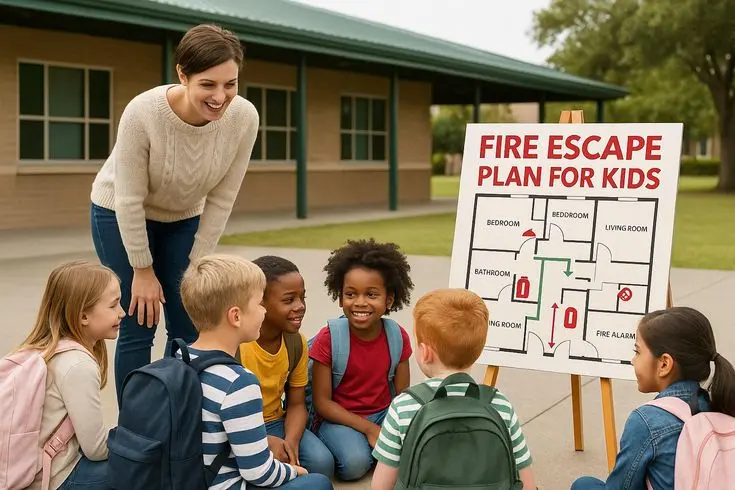
Step 3: Create a Family Emergency Plan
A clear plan helps everyone know what to do.
Include:
- Safe meeting points
- Exit routes from the house
- Who to contact in case of separation
Discuss this plan as a family and update it when needed.
Step 4: Practice Emergency Drills
Practice makes children confident.
Try drills for:
- Fire evacuation
- Earthquake safety
- Flood response
Keep drills short and positive. Praise your child after each practice.
Step 5: Teach Basic Safety Skills
Children should learn simple but important skills.
For example:
- Stop, drop, and roll during fire
- Taking cover during earthquakes
- Staying away from water during floods
Use demonstrations to make learning easier.
Step 6: Prepare an Emergency Kit
Involve your child in preparing a basic kit.
Include:
- Water and snacks
- Flashlight
- First aid supplies
- Important documents
Let children know where the kit is stored.
Step 7: Teach Emotional Control
Emergencies can be stressful. Teach your child how to stay calm.
Simple techniques include:
- Deep breathing
- Listening carefully
- Following instructions
This helps them think clearly in difficult situations.
Step 8: Use Games and Stories
Learning becomes easier through fun activities.
- Role-playing scenarios
- Safety games
- Storytelling
This keeps children engaged and helps them remember better.
Benefits of How to Prepare Children for Emergencies

- Builds confidence and independence
- Reduces fear during emergencies
- Improves decision-making skills
- Enhances family safety
- Encourages responsibility
- Strengthens communication skills
- Helps children stay calm under pressure
- Increases awareness of surroundings
Disadvantages / Risks
- Children may feel anxious if taught incorrectly
- Overloading information can confuse them
- Lack of practice may reduce effectiveness
- Poor communication can create misunderstandings
- Ignoring age differences can limit learning
- Fear-based teaching may cause stress
Common Mistakes to Avoid
Many parents try to prepare their children but make simple mistakes.
One common mistake is using fear. Scaring children can make them anxious instead of prepared. Always use a calm and supportive tone.
Another mistake is giving too much information at once. Children learn better in small steps.
Some parents also forget to practice drills. Without practice, children may forget what to do.
Ignoring the child’s age is another issue. Younger children need simpler instructions, while older ones can handle more details.
Lastly, not updating emergency plans can be risky. Families should review and adjust plans regularly.
Avoiding these mistakes will make how to prepare children for emergencies more effective and meaningful.
FAQs
1. At what age should I start teaching emergency preparedness?
You can start as early as age three or four. At this stage, children can learn basic safety rules and simple actions like calling for help.
2. How can I teach my child without scaring them?
Use a calm tone and positive language. Focus on safety and protection rather than danger. Turn learning into a game or story.
3. What emergencies should children learn about?
Start with common ones such as fire, earthquakes, floods, and getting lost. Gradually introduce more scenarios as they grow older.
4. How often should we practice emergency drills?
It is best to practice every few months. Regular drills help children remember what to do and stay confident.
5. Should schools also teach emergency preparedness?
Yes, schools play an important role. When both parents and schools teach safety, children become better prepared.
6. What if my child forgets what to do?
That is normal. Repetition and practice will help. Keep reminding them in simple ways.
7. How do I know if my child is prepared?
Ask questions or do role-play activities. If your child can explain what to do, it means they understand.
Expert Tips & Bonus Points
To improve how to prepare children for emergencies, consider these expert tips.
- Keep instructions short and simple
- Use visuals like charts or drawings
- Encourage questions from your child
- Practice during different times of the day
- Stay patient and supportive
- Involve the whole family in planning
- Praise your child’s efforts
- Update plans as your child grows
Another helpful tip is to connect lessons with real life. For example, while cooking, you can talk about fire safety. During rain, discuss flood awareness.
Consistency is key. Small efforts over time create strong habits and better understanding.
Conclusion
Learning how to prepare children for emergencies is not just a one-time task. It is an ongoing process that grows with your child. By teaching simple safety rules, practicing regularly, and staying calm, parents can make a big difference.
Prepared children are more confident, aware, and capable of handling unexpected situations. They are less likely to panic and more likely to act wisely. This not only keeps them safe but also supports the entire family during emergencies.
It is important to remember that every child is different. Some may learn quickly, while others may need more time. Patience and encouragement are essential throughout the process.
