

Introduction
Self-protection habits that improve personal security are essential in today’s fast-moving world. Whether you are at home, traveling, or working, your safety should always be a priority. Many people think security is only about physical strength, but in reality, it is more about awareness, smart decisions, and daily habits. By building simple routines, you can protect yourself from risks and feel more confident in your environment.
In modern life, threats can come in many forms. These include theft, scams, online risks, and unsafe situations in public places. That is why developing self-protection habits that improve personal security is not optional anymore. It is a basic life skill that everyone should learn, regardless of age or background.
The good news is that you do not need special training to start. Small changes in your behavior can make a big difference. For example, staying alert, avoiding risky areas, and protecting your personal information can reduce danger significantly. Over time, these habits become natural and easy to follow.
What is Self-Protection Habits That Improve Personal Security?
Self-protection habits that improve personal security are daily actions and behaviors that help you stay safe from harm. These habits focus on awareness, prevention, and quick response to potential threats.
They are not just about defending yourself physically. Instead, they include mental alertness, smart decision-making, and safe routines. For example, locking your doors, being aware of your surroundings, and avoiding suspicious situations are all part of personal security habits.
These habits can be divided into different areas:
- Physical safety habits
- Digital safety practices
- Social awareness skills
- Emergency preparedness
Each area plays an important role in protecting you from different types of risks. When combined, they create a strong layer of protection in your daily life.
Why is Self-Protection Habits That Improve Personal Security Important?
Self-protection habits that improve personal security are important because they reduce your chances of becoming a victim. Many dangerous situations can be avoided simply by being careful and prepared.
Here are some key reasons why these habits matter:
First, they increase your awareness. When you pay attention to your surroundings, you can spot danger early and avoid it.
Second, they build confidence. Knowing how to handle risky situations makes you feel more secure and less anxious.
Third, they prevent loss. Whether it is your belongings or personal data, good habits help protect what matters to you.
Finally, they improve decision-making. When you are trained to think about safety, you make better choices in everyday life.
Detailed Step-by-Step Guide
Step 1: Stay Aware of Your Surroundings
Always pay attention to what is happening around you. Avoid distractions like using your phone too much in public places.
For example:
- Notice people acting strangely
- Be aware of exits in buildings
- Observe your environment when walking alone
This habit helps you react quickly if something feels wrong.
Step 2: Trust Your Instincts
Your gut feeling is a powerful tool. If something feels unsafe, do not ignore it.
For instance:
- Leave a place if you feel uncomfortable
- Avoid talking to suspicious strangers
- Change your route if needed
Trusting your instincts can prevent many dangerous situations.
Step 3: Practice Safe Travel Habits
When traveling, always plan ahead and stay alert.
Key practices include:
- Share your location with a trusted person
- Avoid isolated areas at night
- Use reliable transportation
These simple actions improve your safety during travel.
Step 4: Protect Your Personal Information
Digital safety is just as important as physical safety.
Follow these tips:
- Use strong passwords
- Avoid sharing personal details online
- Be careful with public Wi-Fi
These habits protect you from online threats and scams.
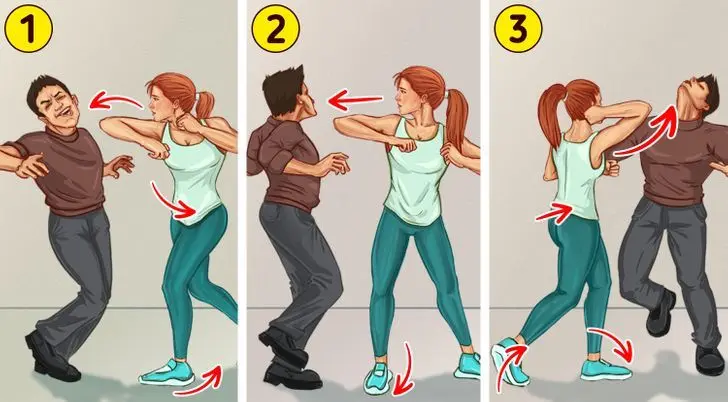
Step 5: Learn Basic Self-Defense Skills
You do not need to be an expert, but basic skills can help in emergencies.
Focus on:
- Simple escape techniques
- Defensive body language
- Staying calm under pressure
This knowledge can make a big difference when facing danger.
Step 6: Secure Your Home Environment
Your home should be a safe place.
Important steps include:
- Lock doors and windows
- Install security systems if possible
- Avoid sharing your address publicly
A secure home reduces the risk of theft and intrusion.
Step 7: Build Strong Communication Habits
Stay connected with trusted people.
For example:
- Inform someone about your plans
- Check in regularly when traveling
- Keep emergency contacts ready
Good communication increases your safety in uncertain situations.
Step 8: Avoid Risky Situations
Prevention is always better than reaction.
Avoid:
- Unsafe neighborhoods
- Late-night outings alone
- Engaging in conflicts
Smart choices reduce your exposure to danger.
Benefits of Self-Protection Habits That Improve Personal Security
- Increased personal safety in daily life
- Better awareness of surroundings
- Reduced risk of theft and scams
- Improved confidence and peace of mind
- Stronger decision-making skills
- Protection of personal and digital information
- Safer travel and social interactions
- Quick response in emergencies
Disadvantages / Risks
- Overthinking can lead to stress
- Being too cautious may limit social activities
- False sense of security if habits are incomplete
- Time and effort required to maintain routines
- Misjudging situations due to fear
- Dependence on habits without adaptability
Common Mistakes to Avoid
Many people try to follow self-protection habits that improve personal security but make simple mistakes that reduce effectiveness.
One common mistake is ignoring small risks. People often think minor issues are harmless, but they can lead to bigger problems.
Another mistake is being inconsistent. Safety habits only work when practiced regularly. Skipping them can create gaps in your protection.
Overconfidence is also dangerous. Some individuals believe they are always safe, which makes them careless.
In addition, relying only on physical strength is a mistake. True security comes from awareness and smart behavior.
Lastly, many people neglect digital safety. In today’s world, online risks are just as serious as physical threats.
Avoiding these mistakes will make your safety habits stronger and more reliable.
FAQs
1. What are the most important self-protection habits?
The most important habits include staying aware, trusting your instincts, securing your personal information, and avoiding risky situations. These basic actions provide strong protection.
2. Can anyone learn self-protection habits?
Yes, anyone can learn them. You do not need special training. Simple daily practices can improve your personal security over time.
3. How long does it take to build these habits?
It depends on consistency. Most habits can be developed within a few weeks if practiced daily.
4. Are self-defense classes necessary?
They are helpful but not required. Basic knowledge is enough for most situations, especially when combined with awareness and prevention.
5. How do self-protection habits help in emergencies?
They prepare you to react quickly and calmly. You can identify danger early and take the right action.
6. Can these habits prevent all risks?
No habit can guarantee complete safety. However, self-protection habits that improve personal security significantly reduce risks.
7. Is digital safety really important?
Yes, digital threats are common today. Protecting your personal data is a key part of overall security.
Expert Tips & Bonus Points
Experts suggest combining multiple habits for better results. Relying on just one method is not enough.
Here are some bonus tips:
- Always have an emergency plan
- Keep a charged phone with you
- Learn how to ask for help confidently
- Stay calm in stressful situations
- Practice situational awareness daily
Another useful tip is to observe others. Watching how people behave in different situations can teach you a lot about safety.
Also, try to stay physically fit. Good health improves your ability to respond quickly in emergencies.
Finally, review your habits regularly. Update them based on new risks and experiences.
Conclusion
Self-protection habits that improve personal security are not difficult to build, but they require consistency and awareness. By making small changes in your daily routine, you can create a safer environment for yourself and those around you.
In today’s world, risks can appear anywhere, from busy streets to online platforms. That is why it is important to stay alert and prepared at all times. These habits are not about living in fear, but about making smart choices that protect your well-being.
As you have learned, self-protection involves more than just physical defense. It includes mental awareness, digital safety, and strong decision-making skills. When these elements work together, they create a powerful system that keeps you safe.
